Overview
QLASON is an innovative e-commerce mobile app that integrates gamification elements to enhance user engagement and boost conversions. The app is tailored to provide users with a dynamic shopping experience by making product discovery, purchases, and rewards more interactive and enjoyable. Through gamified features like challenges, leaderboards, and rewards, QLASON encourages users to engage more deeply with the platform and provides merchants with a novel way to increase user retention and brand loyalty.
My Role
I served as the Sole Product Designer, responsible for:
Information architecture and journey flows in conjuction with the CTO and PMs
UX prototyping
UI design across mobile and web screens
Collaboration with PM and CTO
Developer handoff and QA support
Core Problem
The e-commerce market is saturated with generic, transactional shopping experiences that fail to engage users over the long term. Traditional e-commerce platforms primarily focus on listing products and completing purchases, leaving little room for interaction and customer retention. QLASON addresses this gap by introducing a gamified shopping experience that motivates users to return frequently, interact more deeply with the app, and share their experiences with friends, thus driving growth.
Solution
As the product designer, my goal was to create a seamless and enjoyable mobile experience where users could not only shop for products but also engage with the platform through games, challenges, and rewards. The design was focused on:
Gamification: Users earn points and badges for completing various actions (e.g., making a purchase, sharing with friends, reviewing products) that can be redeemed for discounts or other rewards.
Personalized Shopping: Recommendations based on user activity, past purchases, and app interactions, creating a tailored shopping experience.
Community Engagement: Leaderboards and challenges encourage users to compete and share their progress, strengthening brand loyalty.
Key Requirements
Gamification: Integrating rewards systems, leaderboards, and challenges to motivate user engagement.
Personalized UX: Curating product recommendations and experiences based on user preferences.
Seamless Shopping: Ensuring that shopping remains easy and intuitive while incorporating fun elements.
Community: Creating a space where users can share their achievements and compete with others.
Approach & Process
Research & Discovery
The research phase included analyzing market trends in gamification, competitive analysis, and user feedback from similar platforms. We conducted surveys and user interviews to understand the key factors that drive engagement in e-commerce and how gamification could be integrated effectively.
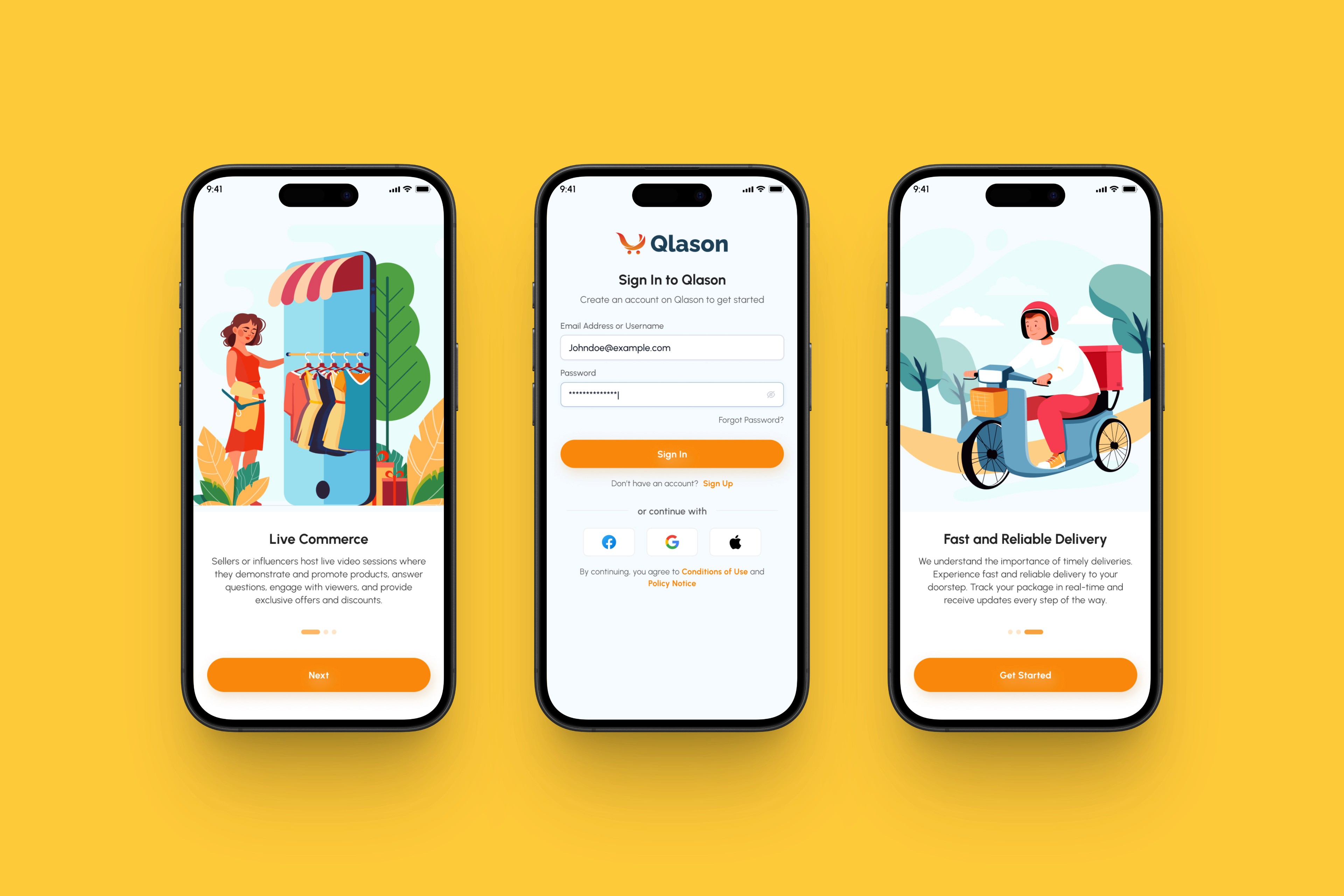
Onboarding and Registration
Sign-Up/Log-In Page:
Users can sign up or log in using email, phone number, or social media accounts.Introductory Tour:
Brief walkthrough introducing users to the gamified features and app layout.
Home Screen
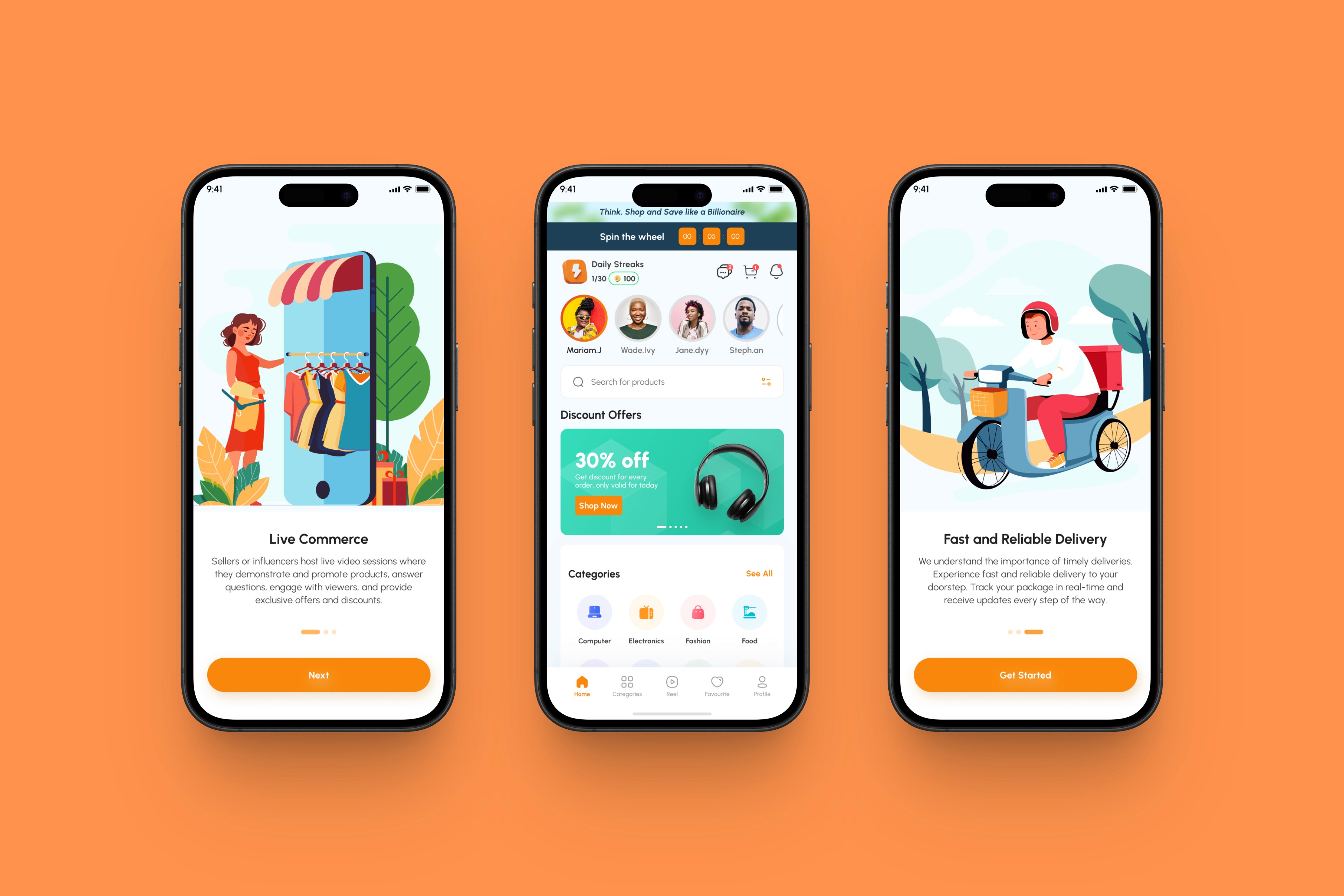
Personalized Feed: Displaying a combination of product recommendations, gamification challenges, and current deals.
Reward Points: Prominently displayed points balance showing how much users have earned and how they can redeem them.
Navigation: Easy-to-use tabs for home, challenges, shop, and account settings.
Product Discovery and Shopping
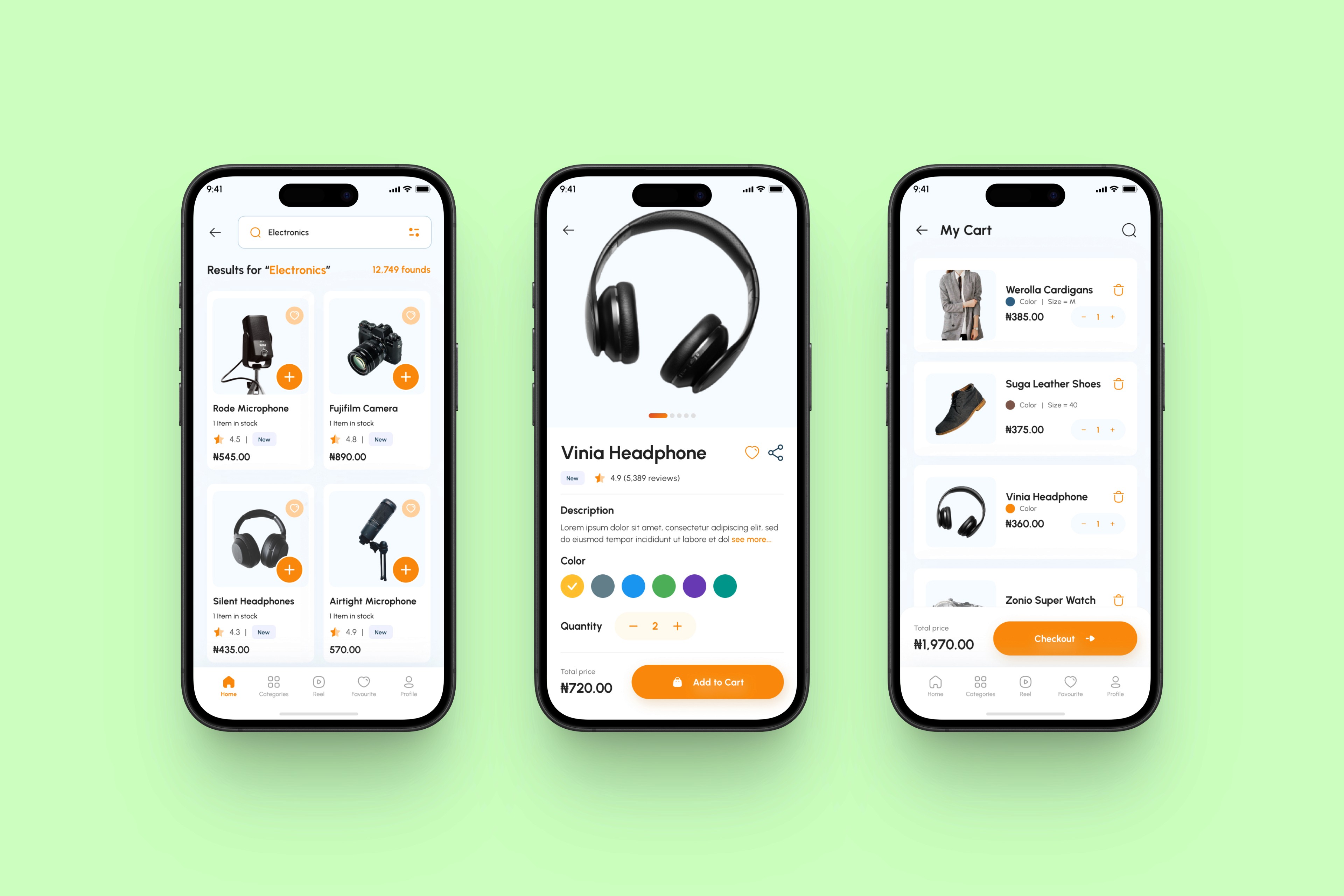
Product Categories: Organized shopping categories like "Trending," "Popular," "Discounts," and "New Arrivals."
Product Pages: Product details, reviews, gamified "challenges" to earn rewards, and option to add items to cart or wishlist.
Integrated Cart & Checkout: Simplified, intuitive checkout experience with secure payment options.
Gamification
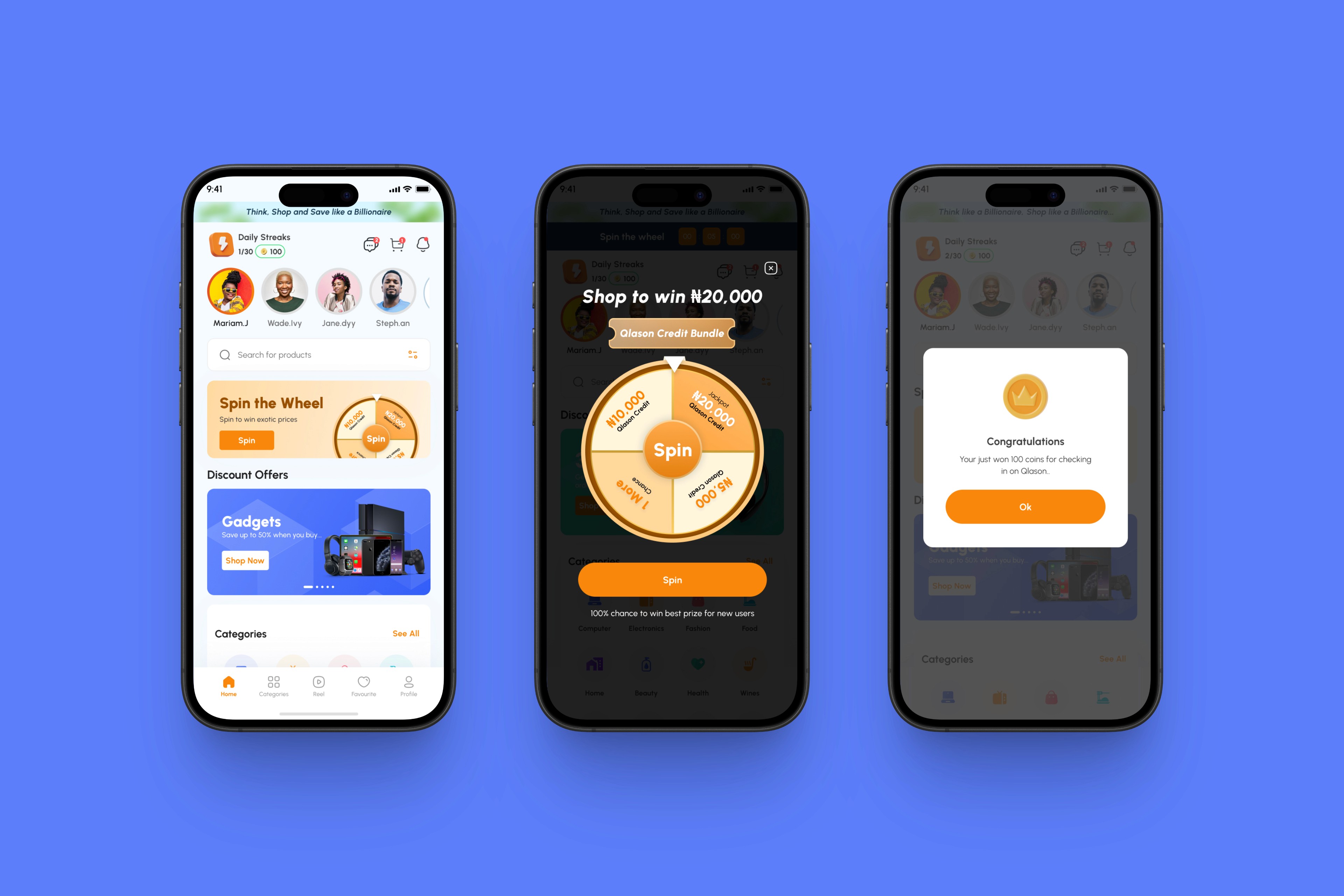
Challenges: Users can complete shopping-related tasks such as "Buy 3 products this week" or "Refer a friend" to earn points.
Leaderboards: Monthly and all-time leaderboards to showcase top-performing users based on points and referrals.
Badges: Users can unlock special badges by completing certain tasks (e.g., "Top Shopper," "Referral Master").

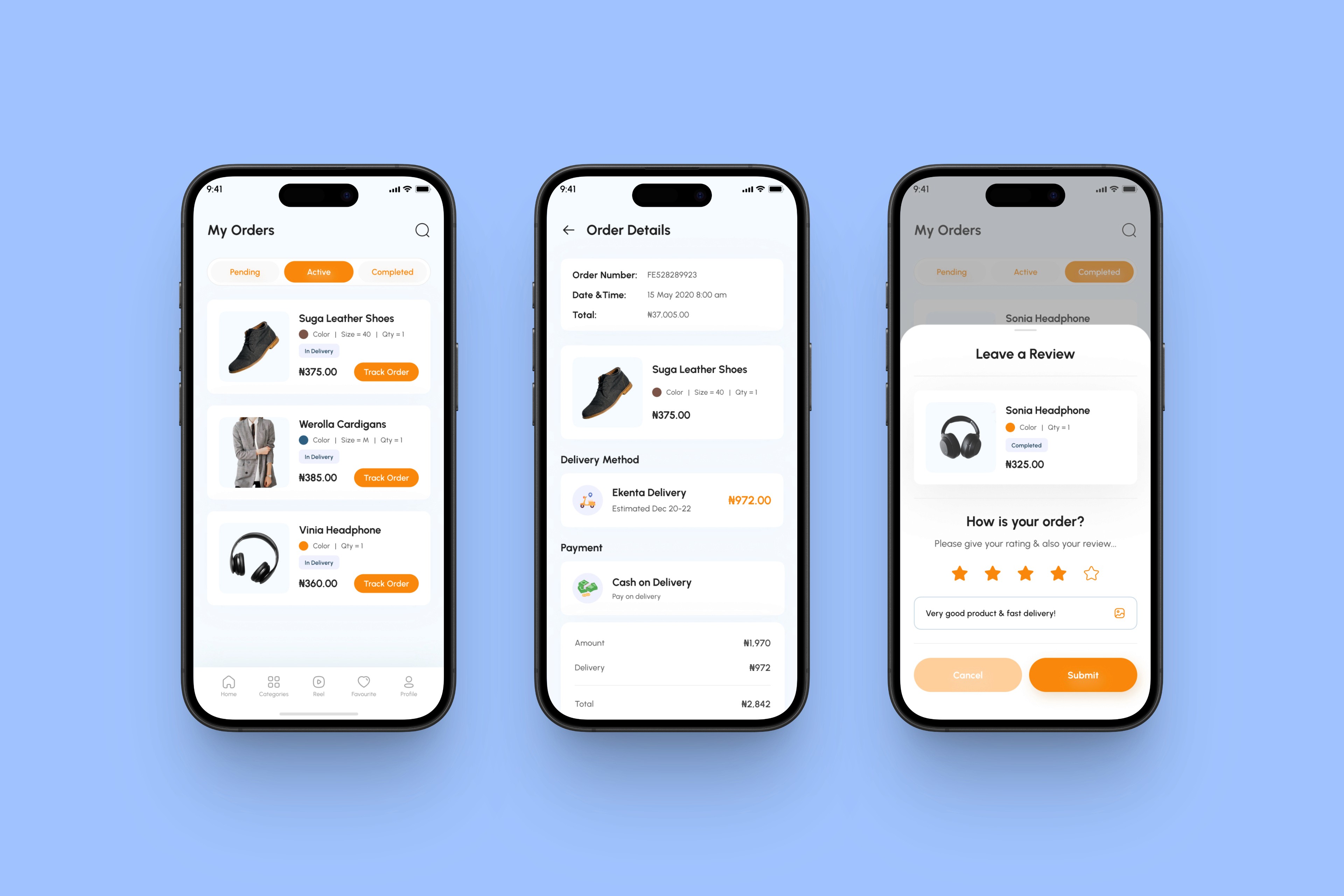
Order Management
Track order status, view order history, cancel or modify orders, reorder previously purchased items.
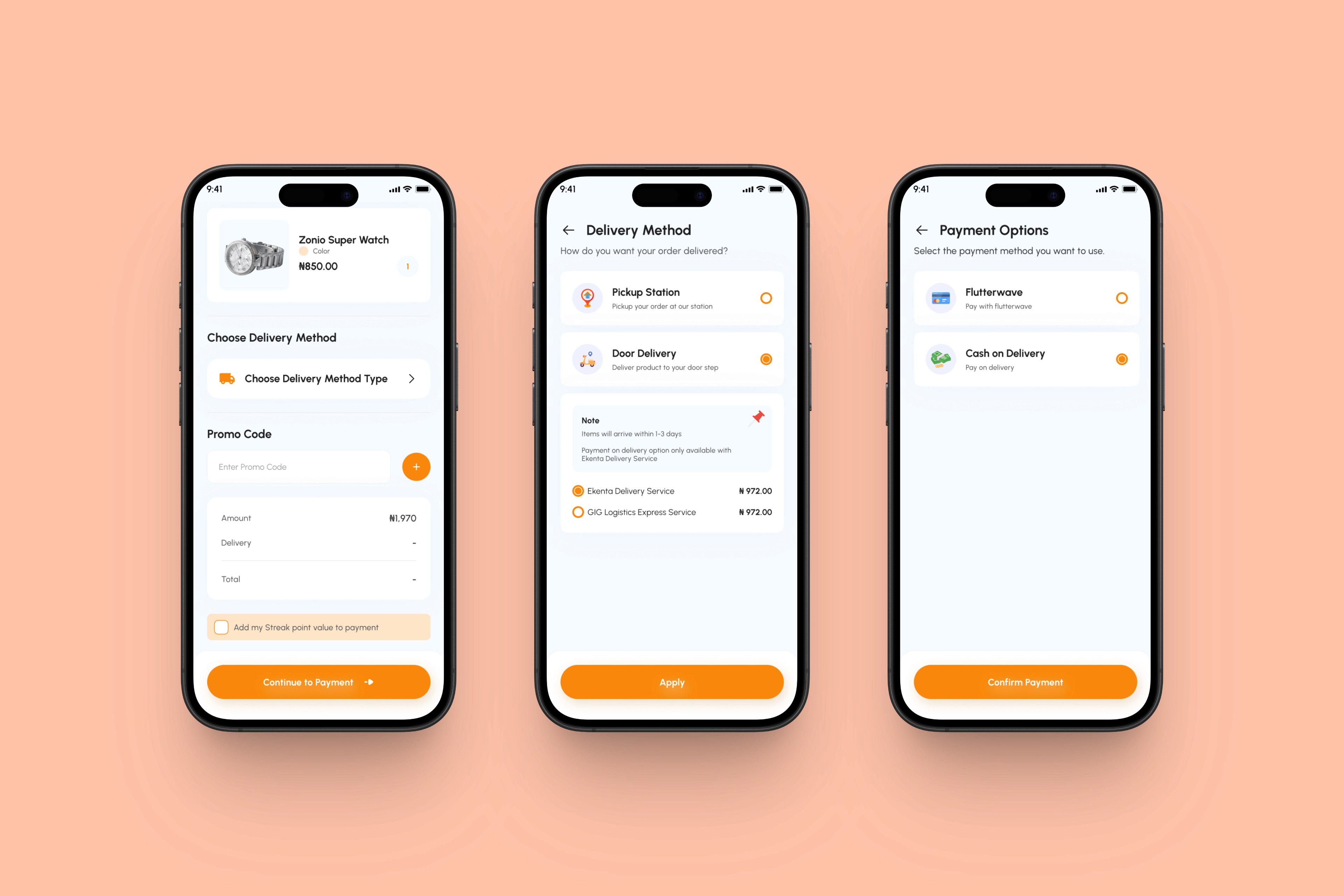
Checkout
Secure payment options, multi-channel payment methods, address management, and order confirmation.
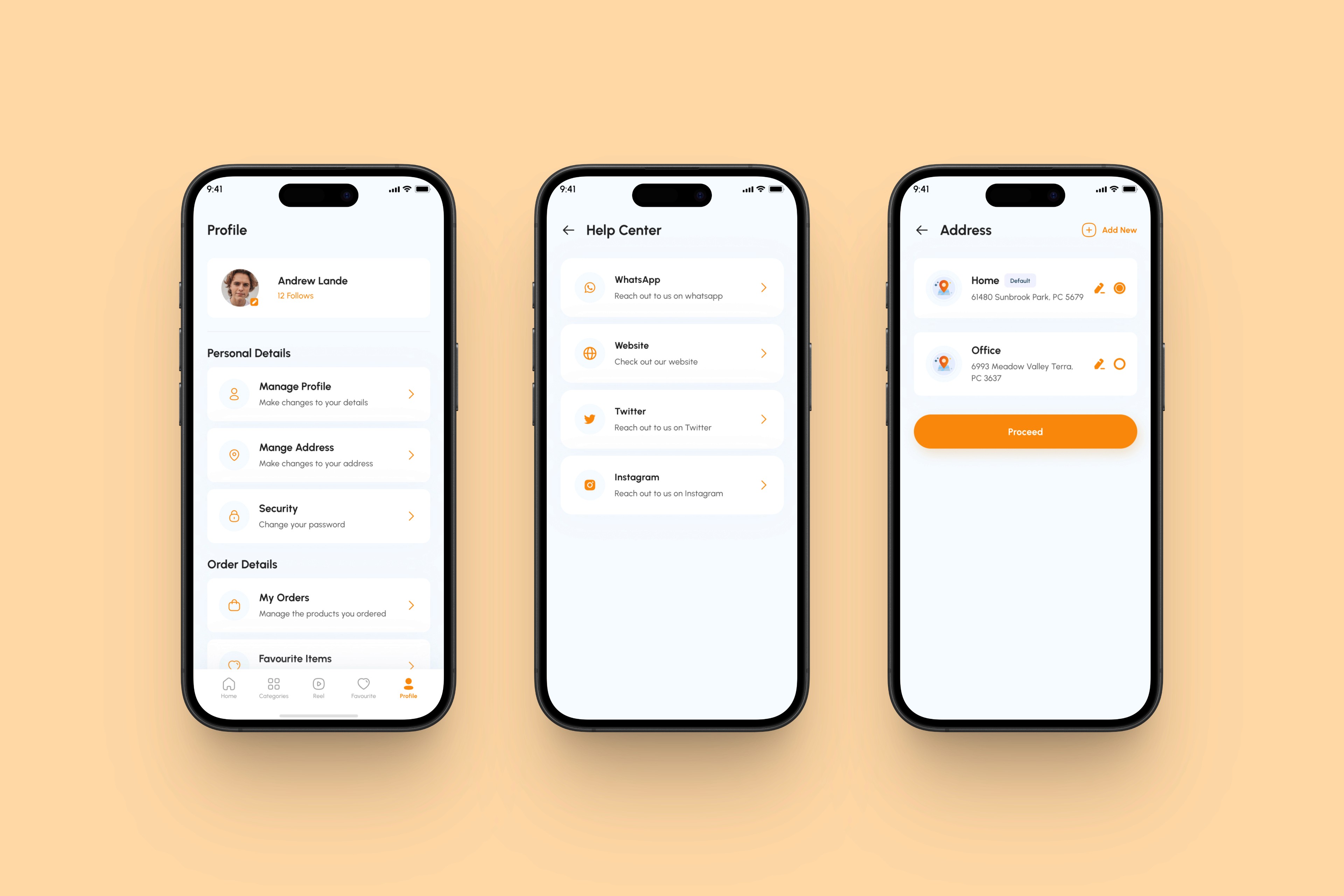
Account/Profile
User settings, order history, rewards, and points balance from gamification.
Results & Impact
Success Metrics Achieved
Increased Engagement: A 45% increase in user interactions within the app, with users spending more time on the platform.
Higher Retention Rates: A 30% increase in monthly return visits.
Positive Feedback: 80% of users reported enjoying the gamified experience and 60% indicated it motivated them to make more purchases.
Scalability
Modular Design: The gamification features are designed to scale, with more challenges and reward systems easily integrated in the future.
Global Expansion: The model is replicable in different regions with adjustments for local preferences and product offerings.
Conclusion & Next Steps
QLASON successfully introduced a fun and engaging e-commerce platform with integrated gamification. The app's ability to engage users beyond just shopping contributed significantly to its growth in the market. Moving forward, the goal is to:
Continue refining the gamification model to maintain fresh and exciting user challenges.
Expand to additional regions and localize the content based on cultural preferences.
Integrate AI to provide even more personalized recommendations.
Lessons Learned
Gamification Must Be Purposeful
While gamification increased user engagement, it was important to ensure that it didn’t become a distraction. We learned that rewards and challenges must align with real shopping goals (e.g., encouraging repeat purchases, not just point farming).
Simplicity Wins in E-commerce
Users appreciated a clean layout and predictable shopping flow. We had to revise our initial UI—which was overloaded with badges and animations—to prioritize clear navigation and product discovery.
Users Value Speed and Clarity in Checkout
Initial user tests revealed frustration when the checkout process was too layered. Breaking it into bite-sized steps with clear progress indicators significantly improved completion rates.
Product Information Builds Trust
Customers were less likely to purchase if product details were vague or inconsistent. We emphasized quality product descriptions, user reviews, and high-quality images to increase conversion.
Product Information Builds Trust
Customers were less likely to purchase if product details were vague or inconsistent. We emphasized quality product descriptions, user reviews, and high-quality images to increase conversion.
Order Management Drives Retention
Easy access to order status, reordering, and clear communication during delivery helped build trust. Users who had a good post-purchase experience were more likely to return.